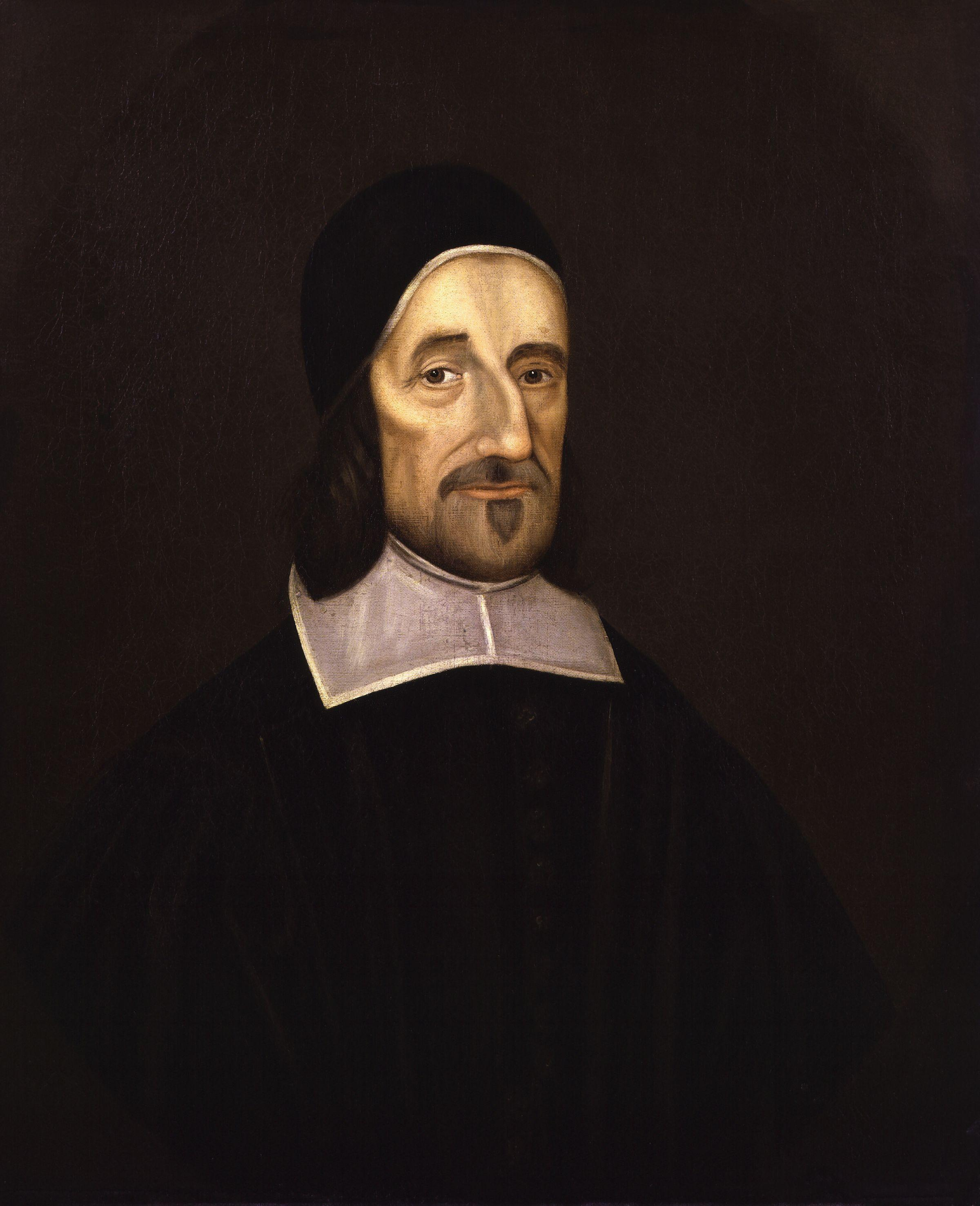
Richard Baxter
Pastor of Kidderminster, chaplain in the New Model Army, and the most prolific English Puritan author — more than 140 books over a working life shadowed by chronic ill health.
Richard Baxter (1615 – 1691)
Baxter was born at Rowton, Shropshire, and educated at the free school in Wroxeter. He never attended university — a fact he later regretted but which did not prevent him becoming, in his own words, 'a man of one book' and a voracious reader. He was ordained in 1638 and after a brief schoolmastership at Dudley took up the lectureship at Bridgnorth.
From 1641 he served as pastor of Kidderminster, Worcestershire, where his ministry transformed the town: by his own account, of roughly 800 families, around 600 were brought into regular catechetical instruction. The Civil War interrupted this work — he served as a chaplain in the New Model Army from 1645 to 1647 — but on returning to Kidderminster he resumed it until his ejection in 1660. The Saints' Everlasting Rest (1650) was begun during a near-fatal illness on the army campaign; The Reformed Pastor (1656) is the printed form of his addresses to local clergy on visitation and catechising.
After the Act of Uniformity in 1662 he became a leader among the ejected ministers in London, repeatedly imprisoned and fined under successive penal acts. In 1685 he was tried before Judge Jeffreys for seditious libel in his Paraphrase on the New Testament; Jeffreys reportedly shouted that he would have him 'whipped through the city at the cart's tail.' He was eighteen months in prison before the fine was remitted. He died in London at seventy-six, having lived to see the Toleration Act of 1689.
“I preached as never sure to preach again, and as a dying man to dying men.”
— Poetical Fragments (1681)
Books by Richard Baxter
Modernised editions, with the original arguments preserved.
Directions Against the Heart-Sins (In Modern English)
Directions for Redeeming Time (In Modern English)
Directions for the Government of the Thoughts (In Modern English)
Directions to Unconverted Sinners (In Modern English)
Directions to Weak Christians (In Modern English)
Dying Thoughts (In Modern English)
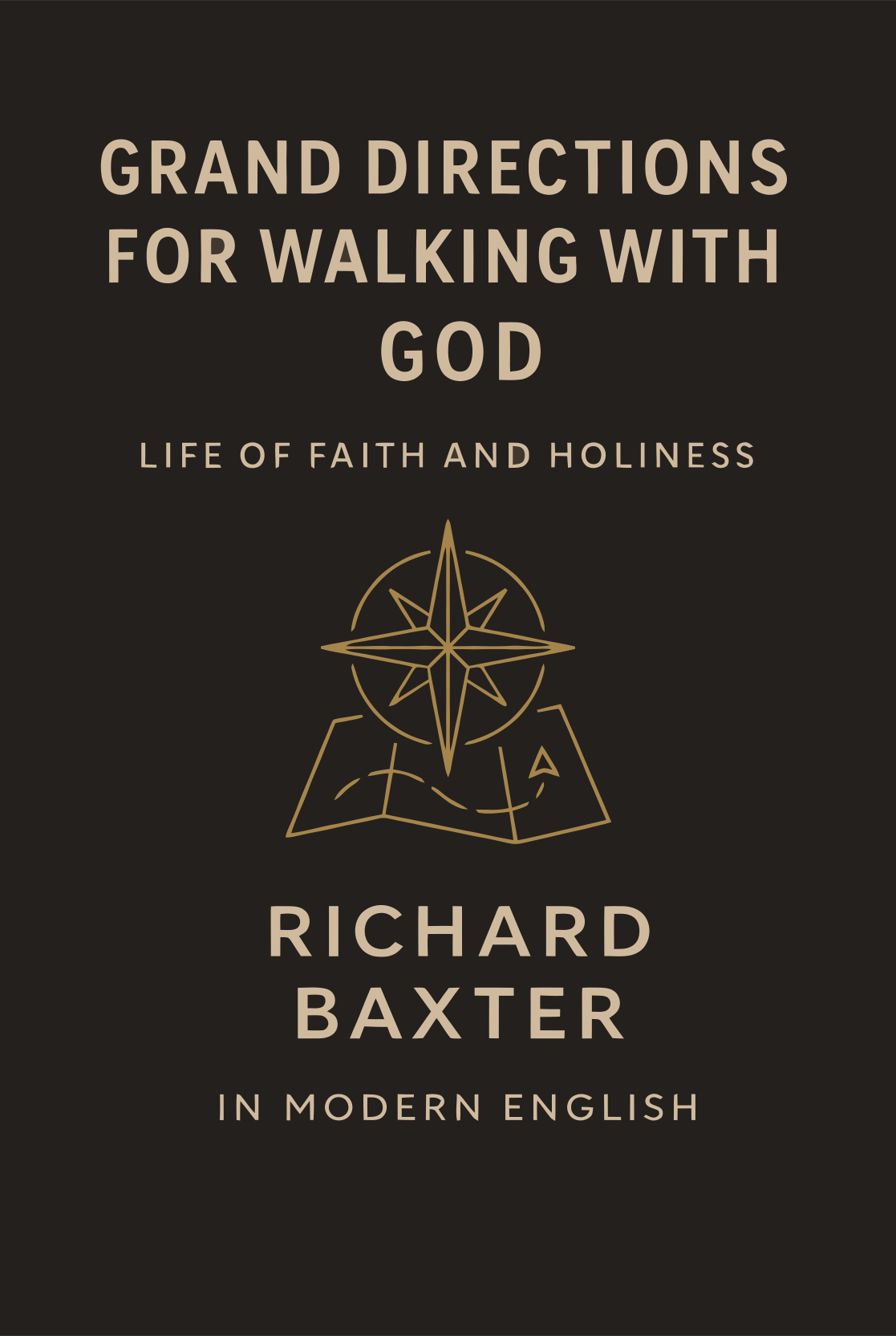
Grand Directions for Walking with God (In Modern English)